If you take pregabalin, the safest general approach is to avoid alcohol. Current UK guidance warns that drinking alcohol with pregabalin can increase sleepiness, affect concentration and may also affect breathing.
This is not simply a question of whether one drink will make you feel more tired. Pregabalin and alcohol can both affect the central nervous system, and individual responses can vary.
NHS guidance on pregabalin and alcohol says it is best to avoid drinking alcohol while taking pregabalin.
There is also no universal rule such as “wait a few hours after pregabalin” that makes drinking alcohol automatically safe.
Pregabalin 300mg can cause dizziness, sleepiness and reduced concentration even without alcohol.
Alcohol can affect some of the same abilities. When the two are combined, these effects may become more noticeable.
The current pregabalin Patient Information Leaflet states that alcohol may increase dizziness, sleepiness and decreased concentration when taken with pregabalin, and advises people not to drink alcohol while taking the medicine.
For someone already experiencing dizziness or drowsiness from pregabalin, adding alcohol may make activities requiring coordination, judgement or alertness less safe.
This is one reason the question cannot be reduced to whether a particular drink is “strong” or whether someone normally tolerates alcohol well.
This is an important safety issue.
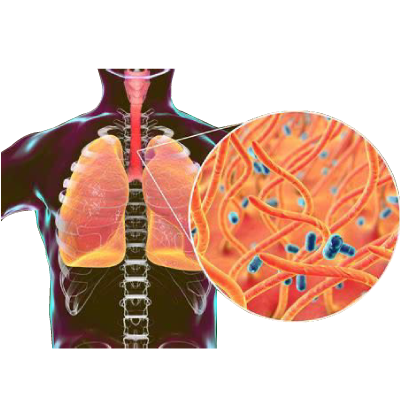
Pregabalin has been associated with respiratory depression, which means breathing can become dangerously slow or shallow in some circumstances.
The UK’s MHRA safety advice for pregabalin advises patients to avoid alcohol during pregabalin treatment.
The risk deserves particular attention in people who have breathing or neurological conditions, impaired kidney function, are older, or use other medicines that depress the central nervous system.
The concern can become greater when pregabalin is combined with opioids or other sedating medicines.
If you take pregabalin, it is useful to look at your whole medicine list, rather than considering alcohol in isolation.
Certain medicines can also cause sedation or affect the central nervous system. The MHRA has highlighted additional respiratory risks when pregabalin is used alongside opioids and other central nervous system depressants.
That means someone taking pregabalin alongside an opioid painkiller, sleeping medicine or another sedating medicine should not assume their situation is the same as somebody taking pregabalin alone.
If you use several medicines, a pharmacist or prescriber can check the combination rather than relying on general advice online.
For a wider explanation of the medicine itself, including its main uses and safety considerations, read our guide to pregabalin for neuropathic pain, anxiety and epilepsy.
Extra caution is sensible when pregabalin is new to you or your dose has recently changed.You may not yet know how strongly the medicine affects your alertness, balance or concentration.
Common pregabalin side effects include feeling sleepy, tired or dizzy. NHS guidance advises against driving, cycling or using tools or machinery if these effects occur.
Alcohol can make it harder to judge how much of an effect is coming from the medicine and how much is coming from the alcohol.
Do not change, skip or delay prescribed pregabalin doses yourself simply because you plan to drink alcohol.
Feeling accustomed to pregabalin does not create a universal amount of alcohol that can be described as safe for everyone.
This is an area where online advice can become confusing.
Some local NHS pain-service information has suggested that people on a stable pregabalin dose who are no longer drowsy may be able to drink alcohol in moderation. However, current national NHS advice says it is best to avoid alcohol with pregabalin, the MHRA advises avoiding alcohol during treatment, and current patient information for pregabalin also advises against drinking alcohol.
For that reason, we would not turn the “stable dose” advice into a general recommendation.
If alcohol is important to you for a particular event or as part of your normal lifestyle, ask your pharmacist or prescriber about your own situation rather than using somebody else’s dose, tolerance or experience as a safety guide.
There is no single amount of alcohol that can be described as safe for every person taking pregabalin.
How someone responds may depend on factors including their pregabalin treatment, other medicines, health conditions and individual sensitivity to both alcohol and the medicine.
Current UK national guidance does not provide a universal “one drink is safe” limit for pregabalin.
This is also why personal experiences on forums should be treated carefully. One person reporting no problem after drinking does not establish that the same combination will be safe for someone else.
If you want individual advice about occasional drinking, speak to a pharmacist or the clinician responsible for your pregabalin treatment.
There is no universal NHS or MHRA waiting-time rule that says alcohol becomes safe a specific number of hours after a pregabalin dose.
This distinction matters.
Advice such as “leave four hours”, “wait until the evening” or “skip a dose before drinking” may sound practical, but it should not be presented as established medical guidance without evidence.
Do not alter your prescribed pregabalin schedule to create a drinking window.
If you need advice for a specific occasion, ask a pharmacist or prescriber who can consider your treatment, other medicines and health circumstances.
Pregabalin is used for conditions including neuropathic pain, where pain is related to abnormal or damaged nerve signalling. It is not the right medicine for every type of pain, and treatment decisions should be based on the condition being treated and professional advice.
If you are researching pregabalin as part of your current treatment, you can view our Pregabalin 300mg medicine for product-specific details.
For readers comparing broader pain-treatment information, our Pain Relief medicines section brings together the relevant Forever Care Meds pain-relief range and supporting information.
These pages provide further information and should not be used as a substitute for individual advice from a prescriber or pharmacist.
If you have already had alcohol while taking pregabalin, do not take more alcohol simply to test your tolerance.
Pay attention to how you feel and avoid driving, cycling or doing anything that requires normal coordination and alertness if you feel sleepy, dizzy, confused or otherwise impaired.
Seek urgent medical advice if you become concerned about your symptoms.
Call 999 or seek emergency help if someone develops severe breathing difficulty, becomes unconscious, is extremely difficult to wake or appears seriously unwell.
If you are unsure whether your symptoms need urgent assessment, contact NHS 111.
Skipping or stopping pregabalin without medical advice is not a safe workaround for drinking.
Pregabalin can cause dependence, and suddenly stopping it can lead to withdrawal symptoms in some people.
If you want to reduce or stop pregabalin, this should normally be discussed with the clinician responsible for your treatment so that an appropriate reduction plan can be considered.
The decision to change a prescribed medicine should be based on your treatment needs, not on creating an opportunity to drink alcohol.
For someone taking pregabalin, asking “what else am I taking, and what effects am I already experiencing?” can be more useful than searching for a universal alcohol limit.
Check whether:
If any of these apply, speak to a pharmacist or prescriber rather than experimenting with alcohol.
You can also browse our Medicine Guides for more educational information about medicines, interactions and safe use.
Current UK national guidance supports a straightforward approach: it is best to avoid alcohol while taking pregabalin.
The reason is not simply that alcohol may make you feel more drunk. It can add to pregabalin-related sleepiness, dizziness and impaired concentration, and breathing is an important safety consideration.
There is no evidence-based universal number of drinks or fixed waiting period that makes the combination safe for everyone.
If you are taking pregabalin and want advice about occasional alcohol use, particularly if you use other medicines or have relevant health conditions, ask your pharmacist or prescriber about your individual circumstances.